
Our Mission
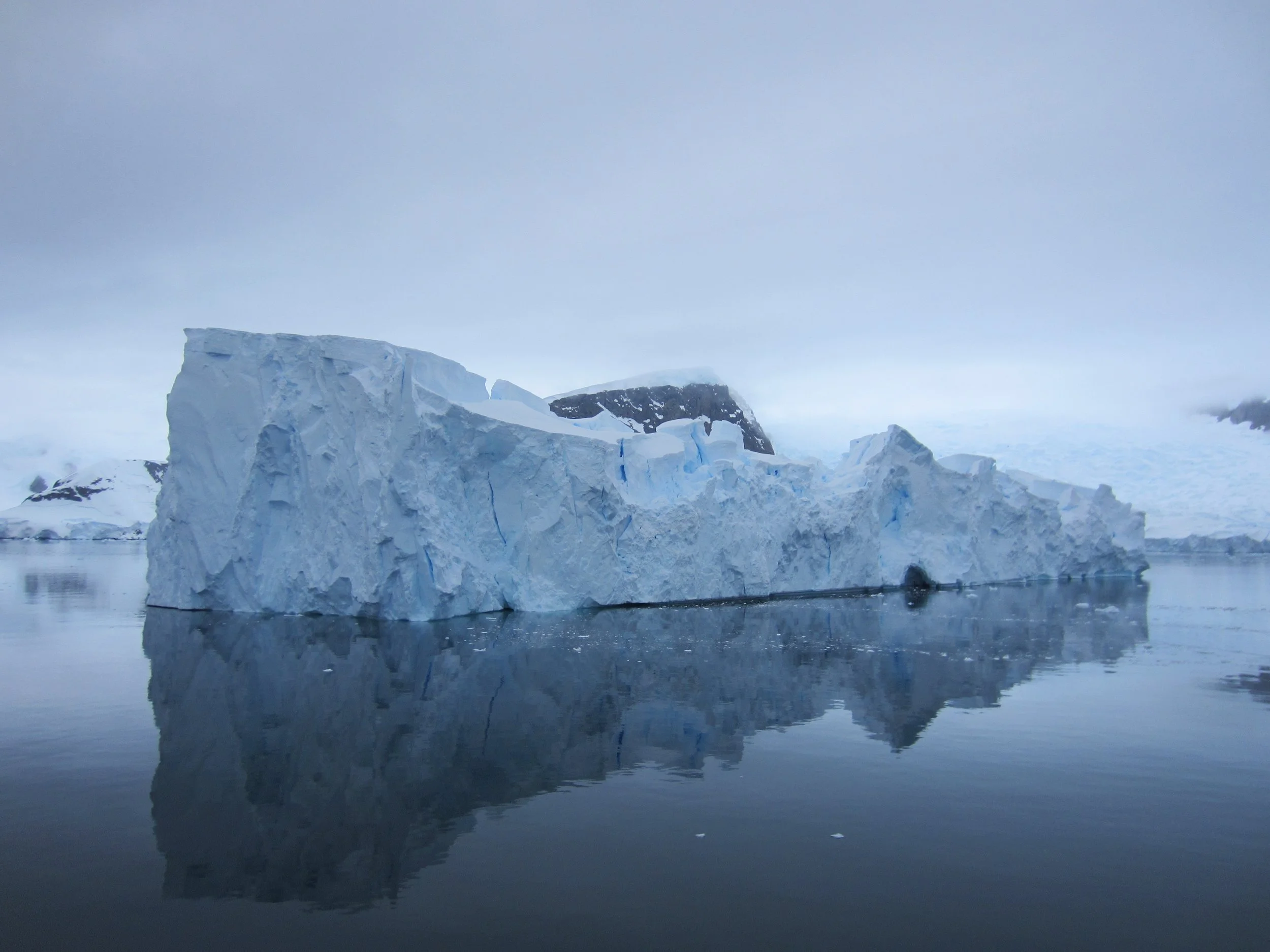
Deep Blue Research Foundation conducts rigorous, expedition-based marine science focused on poorly understood ocean species and ecosystems. Our mission is to generate high-quality data through field research, emerging technologies, and global collaboration, while supporting conservation, informing policy, and creating meaningful opportunities for the next generation of researchers.
Our Team
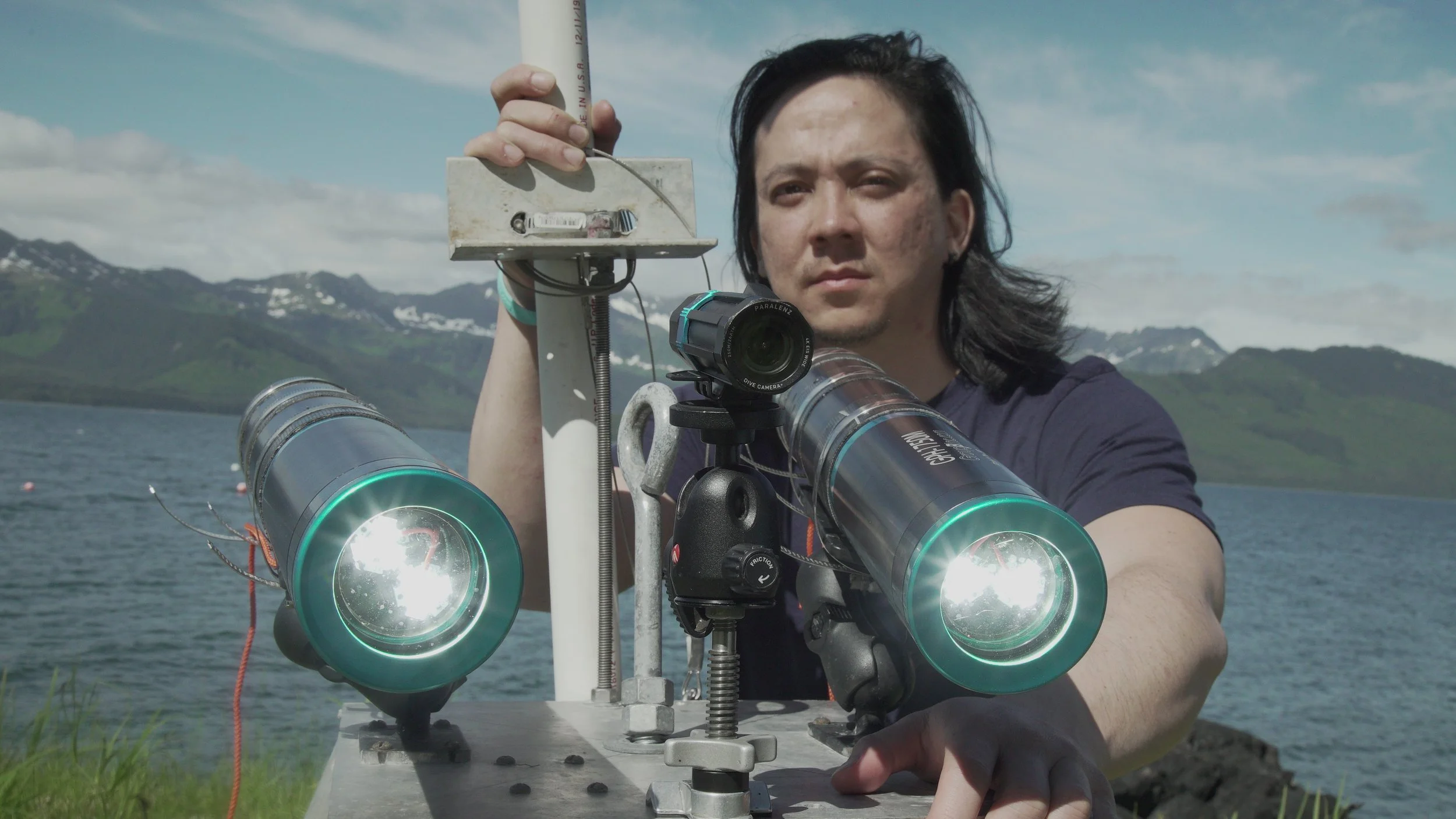
Paul Clerkin
Paul is a marine biologist specializing in rare and deep-sea sharks and rays, with research focused on taxonomy, genetics, and advanced tagging of poorly understood species. Paul is finishing his PhD at the Virginia Institute of Marine Science and uses tools such as environmental DNA, deep-sea cameras, remotely operated vehicles (ROVs), and satellite archival tags to study remote ocean ecosystems.
Paul has discovered more than a dozen new shark species, was the first scientist to data-tag a megamouth shark, and has accessioned over 500 specimens into museum collections worldwide, including the Smithsonian Institution and the California Academy of Sciences. His work has been featured by The Washington Post, CNN, and the Smithsonian, and he contributes to international conservation efforts through work with the United Nations and the Food and Agriculture Organization.
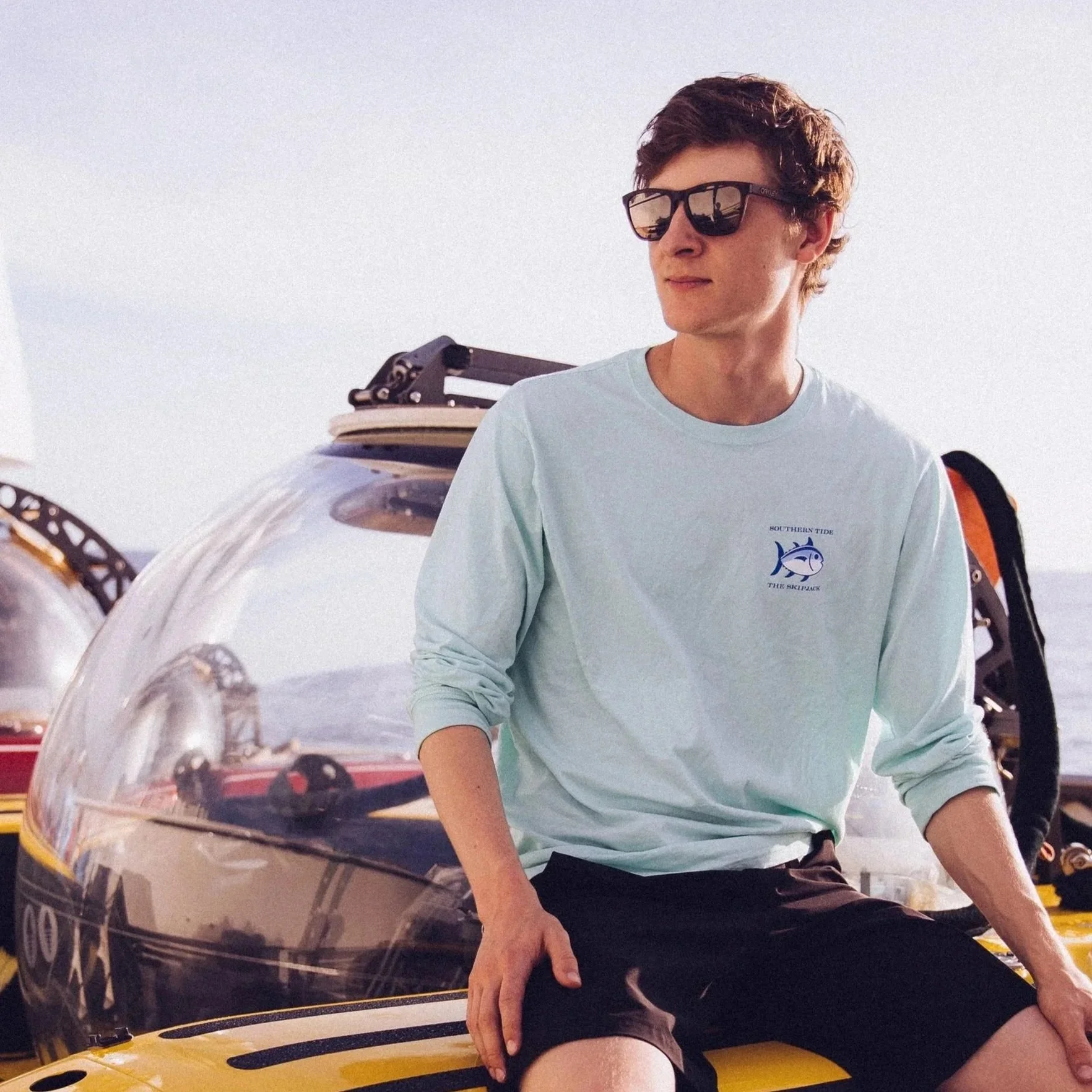
Dr. Charles Miller
Charles is a molecular biologist specializing in genomics and bioinformatics, with research focused on gene duplication and genome evolution. Charles earned his master’s degree at New York University and completed his PhD at the University of Edinburgh. His work integrates large-scale sequencing data, comparative genomics, and computational analysis to study evolutionary processes across diverse taxa.
Within marine research projects, he applies molecular and genomic tools to deep-sea species, including sequencing and data analysis, and conducts field expeditions involving shark tagging and remotely operated vehicle (ROV) operations, including work with megamouth sharks in Taiwan. Through interdisciplinary collaboration, his work supports the integration of genomics, field biology, and emerging technologies in the study of poorly understood marine organisms.